What Comes Home Uneaten: Rethinking the Preschool Lunchbox Without Losing Your Mind
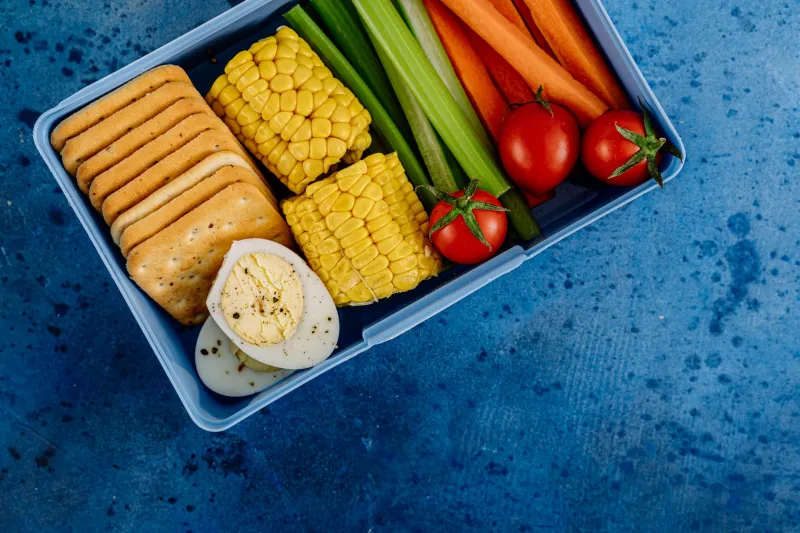
Every parent knows the scene: you pack a beautiful little bento at 6:45 a.m. — strawberries cut into hearts, a cheese stick, a sandwich in dinosaur shapes — and at pickup, the teacher hands it back with half of it untouched and the strawberries suspiciously squished. Cue the spiral. Are they hungry all day? Are they picky because of something I did? Do other moms pack better?
Take a breath. The half-eaten lunchbox isn't a report card on your parenting. It's just Tuesday.
Why Preschoolers Eat Less Than You Think
Here's the thing most lunchbox influencers won't tell you: preschoolers have tiny stomachs and wildly variable appetites. A three-year-old might devour breakfast, pick at lunch like it's a museum exhibit, and then eat a second dinner at 5:30. That's not a problem — that's how young kids self-regulate.
Add in the environment. At daycare or preschool, lunch happens amid 12 friends, a singing teacher, and the constant temptation of someone else's Goldfish crackers. Sitting still and eating a full meal is genuinely hard when you're four. Teachers will tell you the kids who come home with full boxes often ate plenty — just not the things you packed, and not in the order you packed them.
So the goal shifts. You're not packing a meal your child will finish. You're offering a spread of familiar, doable options and trusting them to choose. Dietitians have a phrase for it: parents decide what and when, kids decide whether and how much. The lunchbox is your half of that deal.
The Rotation Trick That Saves Your Sanity
You do not need 30 lunch ideas. You need about six that your kid reliably eats, cycled on repeat.
Think of it like a capsule wardrobe, but for PB&J. Pick two proteins, two fruits, two carb-y sides, and one or two 'fun' extras your child genuinely likes. Rotate them through the week. Boring? Maybe. But consistency is exactly what makes young kids comfortable enough to eat — a predictable lunchbox lowers the stakes in a stimulating environment.
A few budget-friendly, assembly-line-friendly staples that work in real American lunchboxes:
- Sunflower butter and jelly (many centers are nut-free, so check first) or cream cheese and cucumber on soft bread, cut in strips — strips read as easier than triangles, weirdly
- Cheese cubes and whole-wheat crackers, the deconstructed cracker sandwich
- Frozen corn or peas — toss them in frozen by morning; they thaw by lunch and stay cool
- Banana or clementine — cheaper and less wasteful than berries that turn to mush in a hot cubby
- Yogurt tube or a small container of plain yogurt with a splash of jam
- A surprise bite — one small thing that's just fun: a few pretzels, a couple of dried cranberries, a single cookie. Yes, one cookie is allowed. It teaches that treats are normal, not forbidden treasure.
Get Them on the Packing Committee
If the lunch comes home untouched week after week, the fastest fix usually isn't better food — it's more buy-in.
Let your preschooler choose between two options you're offering: 'Strawberries or applesauce tomorrow?' 'Turkey roll-ups or the little crackers?' Kids who picked it are dramatically more likely to eat it. For older fours and fives, have them help pack the night before while you handle the messy parts. It takes three extra minutes and pays off at 12:15 p.m. when they actually open the box.
Bonus: this is quietly great practice for decision-making and independence — the same 'I do it myself' muscles they're building everywhere else.
One Real Week of Lunches
No unicorns carved from carrots. Just food, from a regular grocery store, on a regular budget:
Monday: Sunflower butter sandwich strips, clementine, cheese stick, handful of pretzels
Tuesday: Turkey and cheese roll-ups, frozen peas, crackers, applesauce pouch
Wednesday: Leftover pasta in a thermos (game changer — most kids will eat warm noodles even in a chaotic cafeteria)
Thursday: Cream cheese bagel half, banana, yogurt tube, a few dried cranberries
Friday: 'Choice day' — your kid picks from the rotation. End the week with a win.
Everything above is store-brand friendly, and the thermos trick alone can rescue a week of lunches.
When to Actually Worry
A full lunchbox paired with a happy, growing, energetic kid? Nothing to fix. But if your child seems genuinely hungry at pickup every day, complain loudly about food, or the teacher reports they're eating almost nothing day after day, it's worth a quick conversation. Ask the center what lunch actually looks like — how long kids sit, who helps, whether the box is hard for little hands to open. Sometimes the fix is as simple as a lunchbox they can open independently.
And if pickiness is intense, growing, or paired with distress around eating, loop in your pediatrician. That's what they're for.
The Bottom Line
Your job is the offering. Their job is the eating. Some days those two jobs overlap beautifully; some days the grapes come home whole and the cracker crumbs tell a different story. Either way, you showed up with a packed lunch and a plan — and that, more than any Instagram-worthy bento, is what nurturing a little mind actually looks like.