The Two-Minute Handoff: How Your Morning Exit Teaches Your Kid Everything About Trust
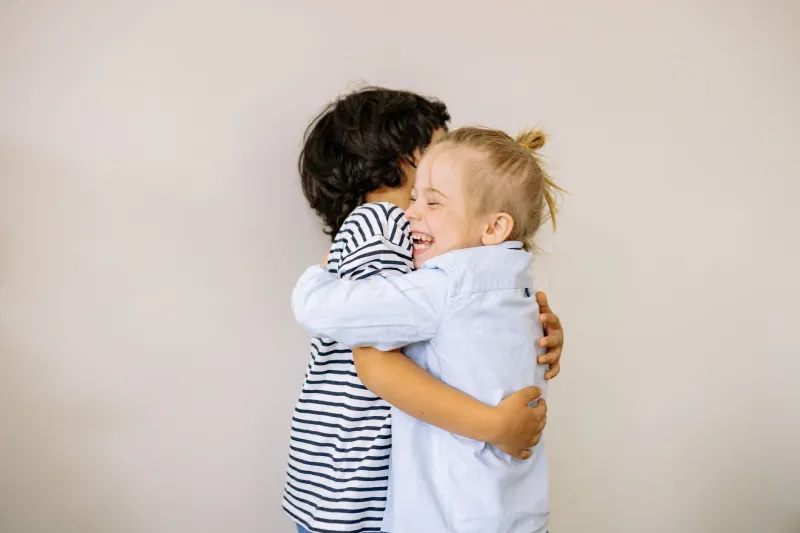
Every weekday morning, millions of American parents perform the same short scene: backpack, car seat, classroom door, a quick hug, and an exit. It takes two minutes, maybe less. It's easy to treat it as pure logistics — one more task between coffee and your 9 a.m. meeting.
But early childhood educators will tell you something that might change how you see that moment. Those two minutes are a lesson. Not a planned one, not one with worksheets or circle time — a silent one, delivered through tone, timing, and consistency. And your child is taking notes.
The Curriculum Nobody Wrote
Babies and toddlers learn about the world through patterns. Before a child can understand an explanation like "Mommy always comes back at four," they understand something more primal: does the sequence hold? Does the goodbye happen the same way? Does the return?
Psychologists call this internal working memory — a child's mental model of whether the important people in their life are reliable. Every morning handoff feeds that model. A goodbye that's consistent, warm, and short says: people leave, and people come back, and I can handle both. A goodbye that's chaotic, prolonged, or sneaky says something messier: leaving is unpredictable, and I'm never quite sure what's coming.
That's not about being a perfect parent. It's about recognizing that your exit has a shape, and your child is learning the shape.
The Sneak-Out Trap
The most common mistake isn't a tearful goodbye — it's the vanishing act. A parent slips out while the child is distracted at the block table, believing they've spared everyone the tears.
Here's the problem: from the child's perspective, the parent didn't leave. The parent disappeared. That distinction matters enormously. A goodbye, even a sad one, keeps the world predictable. A disappearance teaches a child that they must keep one eye on the door at all times.
Many parents report that their child seems clingier after sneak-outs, not calmer. That's not a coincidence. The child has learned that vigilance is necessary. The short-term relief of skipping the tears costs you long-term trust.
What a Good Goodbye Actually Sounds Like
You don't need a script, but you do need a rhythm. The strongest drop-off rituals share a few features:
They're brief. Thirty seconds to two minutes is the sweet spot. Lingering signals uncertainty — kids read hesitation as maybe this place isn't safe.
They're honest. "I'm leaving now. I'll be back after nap and snack." Concrete anchors like nap and snack mean more to a three-year-old than "later," which is basically an abstraction.
They end with forward motion. A hug, an "I love you," and then the parent walks toward the door with confidence — not backing away, not returning for three more kisses. Returning once can be sweet. Returning five times teaches your child that crying is a remote control that works.
They're the same every day. Predictability is the point. A silly family phrase — "See you later, alligator" or a special handshake — does more work than an elaborate speech. The ritual itself becomes a signal: this is the known part, and I know what comes after it.
When the Tears Come Anyway
Let's be real: some kids cry at drop-off for weeks. Some cry again after a long weekend, a new sibling, or a change in the classroom. This doesn't mean the ritual is failing.
Tears at the door are often a sign of attachment doing exactly what it's supposed to do. Your child loves you and notices your absence — that's healthy. What matters is the trend line, not the single morning. If your child recovers within a few minutes (ask the teacher; they'll tell you the truth), the ritual is working even when the goodbye is loud.
What to avoid: comparing your child to the kid who skipped in happily, shaming the tears ("big kids don't cry"), or bribing with candy at the door. Acknowledge the feeling, keep the structure: "You're sad I'm leaving. I'll be back after snack. I love you."
The Payoff You Won't See for Years
The research on secure attachment stretches decades, and the findings keep pointing the same direction: children who experience reliable, responsive separations and reunions tend to approach new situations with more confidence, form friendships more easily, and regulate their emotions with less support.
That's a long game. Nobody sees the payoff on a Tuesday morning in the preschool parking lot. But every consistent goodbye is a small deposit into a bank your child will draw on for years — the first day of kindergarten, the first sleepover, the first time you leave them somewhere new and they think, I've got this, because people come back.
So tomorrow, when the morning is rushed and the goodbye feels like one more thing on the list, remember: you're not just leaving. You're teaching. Two minutes, every day, on repeat. It might be the most important class you never knew you were teaching.