From Only Child to Big Kid: How to Help Your Firstborn Embrace the New Baby

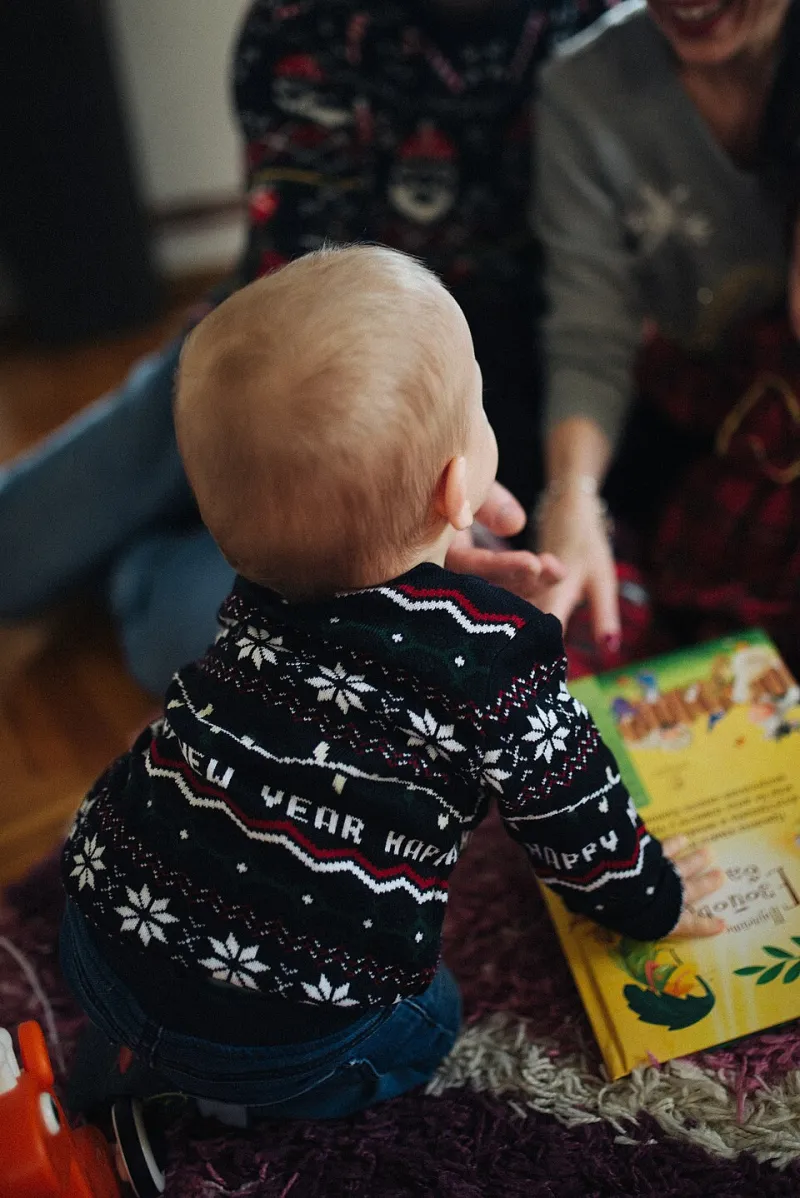
Photo: anonymous , CC0, via Wikimedia Commons
For months — maybe years — your firstborn has been the center of your world. Every smile, every milestone, every bedtime story has been theirs alone. Then comes the announcement: a new baby is on the way. And while you're probably equal parts thrilled and terrified about juggling two kids, spare a thought for the little person who's about to have their whole universe rearranged.
The good news? With some intentional preparation and a whole lot of patience, this transition doesn't have to feel like a loss for your firstborn. It can actually become one of the most meaningful experiences of their childhood.
Start the Conversation Early — But Keep It Age-Appropriate
Timing matters. For toddlers and preschoolers, nine months is an abstract concept that might as well be forever. Most child development experts suggest waiting until you're visibly showing — usually around the second trimester — before telling young children, especially those under three. That way, the wait doesn't feel endless.
When you do share the news, keep it simple and concrete. "There's a baby growing in Mama's belly, and when it's big enough, it's going to come live with us" is plenty for a two-year-old to process. For older preschoolers, you can add a little more: talk about where the baby will sleep, what it'll eat, and yes — that it will cry. A lot.
Books are your best friend here. Titles like There's a House Inside My Mommy or The New Baby by Mercer Mayer give kids a story framework to hang their feelings on. Read them together, pause, and ask questions. "How do you think that big brother feels?" opens up conversations your child might not know how to start on their own.
Make Them Feel Like a Part of It
One of the most powerful things you can do is give your firstborn a role in the process. Kids who feel included in a change are far less likely to feel replaced by it.
Let them help pick out the baby's first outfit. Take them to an ultrasound appointment if possible — seeing that grainy little shape on a screen makes the baby real in a way that words can't. If you're redecorating a nursery, give them a small job: choosing the color of a throw pillow, sticking on wall decals, or picking a stuffed animal for the crib.
One mom from Nashville shared that she let her three-year-old daughter "teach" the baby things through her belly — singing songs, telling knock-knock jokes, narrating what they were doing. "It sounds silly," she laughed, "but she was so proud. She already felt like a big sister before the baby even arrived."
Protect Their Sense of Security
Here's the truth that doesn't always make it into the parenting books: your firstborn doesn't just need excitement about the baby. They need reassurance that they are still safe, still loved, and still important.
Avoid framing the new baby as a companion your child is going to love. That puts pressure on a feeling that hasn't developed yet. Instead, talk about your firstborn's new identity: "You're going to be such an amazing big brother." Focus on the role, not the relationship — the relationship will build over time.
If any big changes are coming — a new bedroom, a new preschool, transitioning out of a crib — try to make those moves well before the baby arrives, or wait until a few months after. Stacking major transitions is a recipe for anxiety.
And don't underestimate regression. Even a four-year-old who's been potty trained for two years might suddenly have accidents when the baby comes home. This is normal. It's not manipulation — it's a child's way of communicating overwhelm. Meet it with gentleness, not frustration.
The First Weeks Home: Navigating the Messy Middle
No matter how well you've prepared, those first weeks with a newborn are going to be chaotic. Your firstborn will see you exhausted, distracted, and frequently occupied with a screaming infant. This is where the work you've done in advance really pays off.
A few strategies that make a genuine difference:
Protect one-on-one time. Even 15 minutes a day of undivided attention — no baby, no phone — tells your firstborn they haven't been replaced. Let them choose the activity. Keep it low-key and consistent.
Give them the baby's "voice." When the baby is calm and alert, narrate what the baby "might be thinking" about your firstborn. "I think the baby is watching you because you're so interesting!" It plants the seed of connection without forcing it.
Acknowledge the hard feelings out loud. If your child says "I don't like the baby," don't panic. Say, "Sometimes it feels like that, huh? It's okay to feel that way. I love you so much, and I'm really glad you told me." Validating the feeling takes away its power to fester.
Involve them in safe baby tasks. Fetching a diaper, singing to the baby while you change them, pressing the button on the white noise machine — these small jobs build a sense of contribution and connection.
Building a Bond That Lasts
The sibling relationship is one of the longest relationships most people will ever have. It often outlasts friendships, marriages, and even parents. That's a big deal — and it starts right here, in these early, messy, beautiful months.
You won't get it perfect. There will be days your firstborn melts down and days the baby won't stop crying and days you wonder if you've made a terrible mistake. That's normal. That's parenting.
But when you invest in your firstborn's sense of security and identity during this transition, you're not just helping them survive a big change. You're laying the foundation for a sibling bond that — with time, patience, and a lot of shared snacks — can become one of the greatest gifts of their life.
At Aspire Education Care, we know that every child's journey is different, and transitions like this one deserve real support. Whether you're looking for resources, community, or just a little reassurance that you're doing okay — we're here for all of it.